Filtration without the brochure
Every filtration vendor will tell you their method removes almost everything. The useful question is what it removes, at what pressure, and how fast the performance falls off.
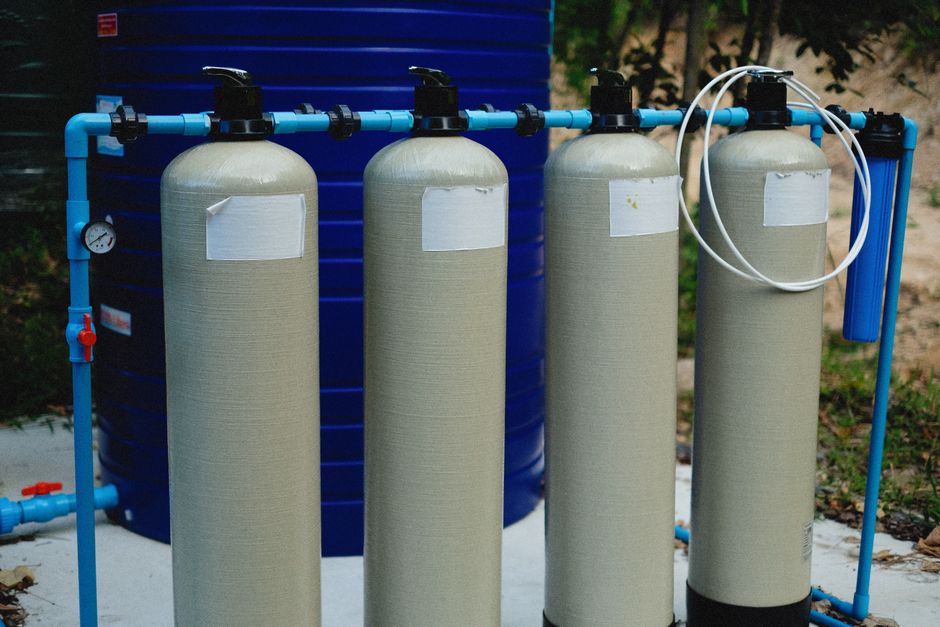
Water treatment is a field where the vocabulary does a lot of work to obscure fairly simple physics. Something is being separated from the water — by size, by charge, by density or by chemistry — and every method trades capacity against energy against maintenance.
These pages lay out the common approaches in ordinary language, with the trade-offs stated rather than buried.
The one number that matters most: not removal percentage at hour one, but removal percentage at the end of the service interval. Vendors quote the first; operators live with the second.
What is covered
Methods compares the main separation approaches and where each belongs. Membranes goes deeper on the pressure-driven processes that dominate modern plants. Testing is about how to tell whether a system is performing, which is less obvious than it sounds.
Who these pages are for
Mostly for the person who has to sign off a specification without being a process engineer: a facilities manager, a plant operator, a technical buyer. Enough to ask the right questions of a vendor and recognise an evasive answer — not enough to design a plant, and not pretending otherwise.